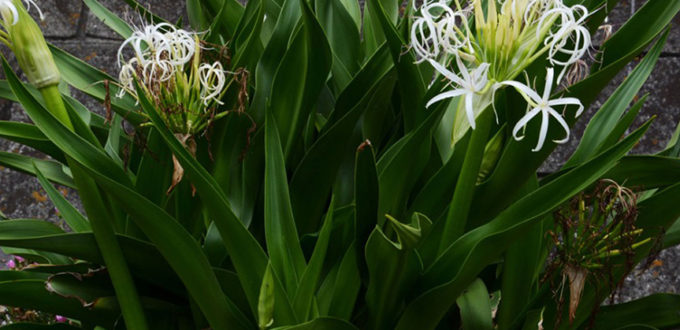
Bromeliad

Common Name: Bromeliad

Scientific Name: Bromeliad genera

Type of Plant: Perennial

Description: The term “bromeliad” refers to thousands of species of plants in hundreds of genera in the plant family Bromeliaceae. These relatives of the common pineapple are available in an astonishing array of colors and textures. Although many do have very showy flower displays, bromeliads are just as popular as beautiful foliage plants with strappy leaves in red, green, purple, orange, and yellow colors and with bands, stripes, spots, and other features.

Mature Size: Varies according to genera and species

Blooms: Blooms once, timing varies

Fruit:  No

Climate Requirements: Bromeliads need in-direct sunlight to grow well and produce flowers, with a few exceptions.

Care Requirements: Bromeliads are either terrestrial or epiphytic in their natural habitat. Terrestrial bromeliads require soil for growth, like most plants.

Epiphytic bromeliads do not live in soil but survive by clinging to a tree or other supports such as rocks. Epiphytes are not parasites. They do not harm the host plant in any way, but merely use them for support. Epiphytes obtain all their water and mineral needs from the environment. Epiphytic bromeliads can be grown like a terrestrial one; however, understand the potting mix is insignificant.

Proper drainage is essential. The soil mix must be porous enough to allow water to drain off quickly and allow air to reach the roots. It should never be soggy.

Spacing: Varies according to genera and species

Water Needs: Water bromeliads well and allow the soil to dry before watering again. Many bromeliads hold water in a leaf cup called a “tank.” The tank should be kept filled with water at all times. Be careful when you fill the tank, not to let the water soak the soil. Bromeliads are prone to root rots if the soil is kept wet. Flush the tank periodically by pouring fresh water into it, inverting, and filling again. This will prevent stagnation and buildup of mineral salts.

Maintenance: These are vigorous-growing plants that can quickly take over a wall or garden area, but can be trained and maintained to fit a desired setting. Bougainvillea can also be used in containers and trained as a shrub or sprawling groundcover.

Special Uses/Attributes: Bromeliads are fairly long-lived and slow-growing plants. Although the central plant dies after flowering, they produce “pups” that can be separated and potted up to form new plants.

Florida Native: Some species are native to Florida

Bougainvillea

Common Name: Bougainvillea

Scientific Name: Bougainvillea spp.

Type of Plant: Vine

Description: Bougainvillea is a tropical vining shrub that comes in a wide array of bright and fanciful colors. The “flowers” are actually modified leaves, called bracts, that are long-lasting and bright. The colorful bracts outshine the plant’s true (but tiny) flower, much like a poinsettia. They appear periodically throughout most of the year, but are especially plentiful in the winter, when the splashes of color are a welcome sight. Bougainvillea blooms in fuschia, red, white, yellow, and orange.

Mature Size: 8-20′ tall x 10-40′ wide.

Blooms: Spring through Fall

Fruit:  No

Climate Requirements: Bougainvilleas require full sun and actually perform better when their soil is left a little dry, making this a perfect plant for the drought-tolerant landscape. It needs to be protected from frost and freeze.

Care Requirements: If your plants are getting out of hand, pruning and maintenance is best done in the fall before a new growth cycle. You can also sporadically trim rangy stems as needed throughout the year. If you haven’t had a significant show of blooms recently, try giving your plant a drought period by withholding water. This can sometimes trick your plants into a dormancy period and trigger new blooms.

Spacing: Space plants 36-60″ apart

Water Needs: Low, once established

Maintenance: These are vigorous-growing plants that can quickly take over a wall or garden area, but can be trained and maintained to fit a desired setting. Bougainvillea can also be used in containers and trained as a shrub or sprawling groundcover.

Special Uses/Attributes: Because of bougainvillea’s woody habit and vigorous growth, these plants lend themselves very well to being manipulated and trained in a variety of ways. The most common, especially in tropical areas where plants are hardy, is to allow these plants to climb walls and trellises. This is the simplest way to display the wonderful blooms of bougainvillea.

They can also be used in hanging baskets with minimal care. Because these plants don’t have tendrils, they do need some manipulating, but as a hanging basket plant, no training is needed. Bougainvillea also make fantastic topiaries. Since they are so fast growing, it is easy to create tall topiary plants with minimal effort. On a smaller scale, bougainvillea can make stunning bonsai specimens. This takes time over the course of many years, but with relentless pruning some unique bonsai can be made.

Florida Native: No