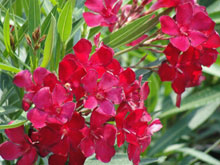
Hibiscus care tips

braided-hibiscusHow to keep your hibiscus happy, healthy and  free of whitefly & fungus.

Hibiscus are in high bloom and in high demand at this time of year and rightfully so as they offer a wonderful array of colored blooms to any landscape and garden.

However, hibiscus are prone to whitefly and black fungus from time to time. Don’t fret, just be prepared and it may be just as easy as looking in your medicine cabinet. Yep, everyday, good old fashion mouth wash just might do the trick!

A commonly used home remedy to ward off whitefly and fungus is a 50/50 ratio of mouthwash and liquid dish soap. Combine into a spray bottle, shake and spray onto infected hibiscus.

The alcohol in the mouthwash kills the whitefly and fungus and the soap makes it adhere to the leaves. Give it a shot (or two) and enjoy your beautiful, healthy and happy hibiscus.

If you’d rather go a different route, Neem Oil also does the trick!

Deer problem

Deer can wreak havoc on our landscapes. Luckily, there are many plant varieties that the deer do not like. To follow is everything you need to know when planning your deer resistant landscape:

Tips on deer and plants:

• No plant is completely deer-proof! When hungry, deer will eat anything to survive. During stressful times such as drought, plants that are usually avoided by deer can be damaged.

• Deer will eat almost anything in spring, as tender new growth emerges from plants. Deer prefer vegetation that is soft to the touch and high in water content. They especially like flower buds.

• Over fertilized and over watered plants are lush and look appealing to deer.

• Deer resistant does not mean completely deer proof.
There are some plants that deer just prefer not to eat.

Common characteristics of these plants include:

  •     Plants with thorny or prickly leaves or stems
  •     Plants with strong scents and pungent tastes, such as herbs
  •     Plants that are poisonous or produce thick sap
  •     Plants with hairy leaves
  •     Palms are very resistant to deer feeding
  •     Ornamental grasses i.e. Pampass Grass, Muhly Grass, and Fountain Grass are highly resistant to deer grazing
  •     Deer rarely graze on fern foliage