
Dealing with Summer Showers: Battling Fungi and Plant Woes in Your Garden

By: Anna Stubbendick, FCHP

We hope you’re enjoying the vibrant blooms and lush foliage that summer brings to your garden. But as much as we love those refreshing Florida rains, they can also bring along a host of unwanted visitors – fungi and other plant problems. At Canterbury Farms Nursery & Garden Center, we’ve got your back with some tips and tricks to help you keep your garden looking its best, rain or shine.

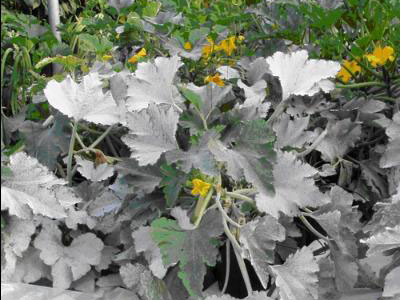
Powdery Mildew

Severe powdery mildew infestation on greenhouse-grown squash (Cucurbita spp.). ©UF/IFAS.

Powdery Mildew: The Uninvited Guest

Powdery mildew is a common problem that can rear its fuzzy head during the humid summer months. You might notice a white powdery substance on the leaves of your plants, hindering their growth and vigor. To prevent this, make sure your plants are adequately spaced to allow for proper air circulation. Water at the base of the plants to avoid wetting the foliage, and consider using fungicidal sprays if needed.

Damping Off: A Seedling Nightmare

Seedlings are particularly susceptible to damping off, a fungal disease that causes them to wilt and keel over. To tackle this issue, start with sterilized soil and containers. Ensure proper drainage to avoid waterlogged soil, and water in the morning to allow excess moisture to evaporate during the day. If you notice symptoms, remove the affected seedlings promptly to prevent the spread.

Root Rot: Too Much of a Good Thing

With frequent rain, your plant’s roots might end up sitting in soggy soil for longer than they’d like. This creates the perfect conditions for root rot, a disease that can lead to stunted growth and wilting. Choose well-draining soil and pots with drainage holes. If you suspect root rot, gently remove the plant, trim away the affected roots, let them dry, and replant in fresh soil.

Rust fungus on Daylily

Rust on daylily, upper leaf surface (left) and lower leaf surface (right). Credit: Philip F. Harmon, UF/IFAS

Rust: Not the Antique Charm

Rust appears as rusty or orange spots on the undersides of leaves, stealing the vitality from your plants. Prune infected leaves and improve air circulation around your plants. Water in the morning to give the foliage time to dry out during the day. Fungicides can help control the spread of rust, but prevention is key.

Slugs and Snails: Slimy Intruders

These slimy creatures love the moisture that comes with summer rains. They can munch through your plants’ leaves overnight, leaving behind a trail of destruction. Set up physical barriers like copper tape around vulnerable plants, and consider using natural repellents like diatomaceous earth or beer traps to keep them at bay.

Bacterial Leaf Spot: Unwelcome Spots

Bacterial leaf spot causes dark, water-soaked spots on leaves, eventually leading to leaf drop. Avoid overhead watering and water early in the day. Remove infected leaves and keep your plants dry to prevent further spread. Copper-based fungicides can also help manage this issue.

Bacterial spot on a pepper leaf

Bacterial spot on a pepper leaf

Fungicides, Pruning, and Sterilizing Tools: Your Knights in Shining Armor

If fungal issues persist, don’t hesitate to use fungicides following the manufacturer’s instructions. Regular pruning of dead or infected plant parts can significantly reduce the spread of diseases. And don’t forget about your gardening tools! Sterilize your pruners, shears, and other equipment with a solution of one part bleach to nine parts water to prevent the transfer of pathogens between plants.

Why Morning Watering Matters

Watering in the morning is a crucial step in preventing fungal growth. The morning sun helps to quickly dry out excess moisture on leaves and soil. Watering at night, on the other hand, can lead to extended periods of wet foliage, creating an ideal environment for fungi to thrive. By allowing your plants to dry during the day, you’re significantly reducing the risk of diseases taking hold in your garden.

Snail Damage

Snail damage. Credit: John L. Capinera, UF/IFAS

Remember, prevention is the best medicine! Keep an eye on your garden, practice good hygiene, and create an environment that’s less favorable for these plant problems. With a little care, your garden will flourish and thrive, even amidst Florida’s summer showers. Happy gardening! 🌿🌧️

For more information, check out these helpful links:

Bacteria and Plant Disease

Fungi and Plant Disease

Powdery Mildew

Plant Diseases

Snails and Slugs


Crafting Natural Art: Topiaries for a Whimsical Landscape
By: Anna Stubbendick, FCHP
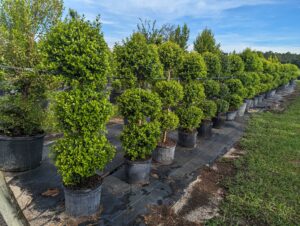
Three-Ball Eugenia topiaries growing on a line at Canterbury Farms Nursery

Canterbury Farms Nursery & Garden Center has many styles and varieties of topiaries to select from. Photo by Anna Stubbendick, Canterbury Farms

Are you ready to take your landscaping game to the next level? If you’re looking for a fun and eye-catching way to add personality and elegance to your outdoor space, then you’re in for a treat. Today, we’re diving headfirst into the whimsical world of topiaries – those meticulously shaped shrubs that are sure to turn your garden into a work of art. And where better to start than at Canterbury Farms Nursery & Garden Center, your one-stop destination for all things green and gorgeous?

What’s a Topiary Anyway?

First things first, let’s get down to basics. A topiary is a living sculpture, a piece of natural art created by pruning and shaping shrubs and trees into various forms. The history of topiaries dates back centuries to ancient Rome, where they were used to decorate grand gardens and opulent villas. Today, these living artworks are the perfect way to express your creativity and infuse a touch of classic elegance into your landscape.

Shapes Galore

The possibilities for topiary shapes are as diverse as your imagination. The sheer variety of forms you can create is astounding. Here are some popular shapes that can give your garden a unique and delightful twist:

  1. Spirals: Spiraling topiaries are like a visual treat for your garden. They bring an air of sophistication and drama that can instantly elevate your outdoor space’s charm.
  2. Balls and Pom-Poms: Spherical topiaries, resembling lush green orbs, bring a touch of whimsy and playfulness to your outdoor space. They can be placed in clusters or used individually to add a pop of greenery.
  3. Eugenia Cone topiary

    Cone-shaped topiaries, like this Eugenia, are some of the easiest shapes to maintain for beginners. Photo by Anna Stubbendick, Canterbury Farms

    Cones and Pyramids: For a more dynamic look, consider incorporating cone or pyramid-shaped topiaries. They can act as focal points, drawing the eye and adding a sense of depth to your landscape.

  4. Animals and Figures: This is where your imagination can truly shine. Create playful topiaries in the shapes of animals, whimsical characters, or even abstract figures. These are perfect for injecting a touch of personality and a sense of fun into your garden.
  5. Hedges and Labyrinths: Create enchanting pathways and mazes using carefully pruned hedges and labyrinths. These intricate designs can transform your garden into a secret haven, inviting exploration and discovery.

Best Plant Varieties for Topiaries in Our Area

At Canterbury Farms Nursery & Garden Center, we understand the importance of selecting plant varieties that thrive in our local climate. Here are some top-notch options for creating stunning topiaries in our region:

  1. Eugenia (Syzygium paniculatum): With its small, glossy leaves and tight growth habit, Eugenia is a popular choice for creating intricate topiary designs. Its vibrant green foliage and adaptability make it a fantastic canvas for your creative visions.
  2. Three-Ball juniper topiary

    Junipers are one of the easier species of topiaries to maintain. Photo by Anna Stubbendick, Canterbury Farms

    Juniper (Juniperus spp.): Junipers are a staple in the world of topiaries. Their dense, needle-like foliage lends itself well to various shapes, from spirals to cones. Plus, they’re relatively low-maintenance, making them an excellent choice for beginners.

  3. Podocarpus (Podocarpus spp.): Podocarpus, also known as Japanese Yew, boasts lush, dark green leaves that respond well to shaping. Their versatility makes them suitable for both formal and informal topiary designs.
  4. Japanese Blueberry (Elaeocarpus decipiens): With its oval-shaped leaves and distinctive blue-green color, the Japanese Blueberry is an eye-catching option for topiaries. It’s particularly well-suited for sculpting into balls and geometric shapes.

Unleash Your Creativity: Design Ideas for Topiaries

Now that you have an idea of the shapes and plant varieties at your disposal, let your imagination run wild with these design ideas:

  1. Entryway Elegance: Frame your entrance with majestic pyramidal topiaries, creating a grand welcome for anyone who steps foot into your garden.
  2. Sculpted Symphony: Combine different topiary shapes and sizes to compose a harmonious symphony of greenery. Mix spirals, cones, and spheres for a visually stunning arrangement.
  3. Japanese Blueberry topiary with two balls

    Don’t be afraid to be creative when shaping your topiaries, like this unique Japanese Blueberry. Sometimes plants with gaps or “flaws” can be turned into beautiful topiaries. Photo by Anna Stubbendick, Canterbury Farms

    Whimsical Wonderland: Transform your garden into a magical realm by shaping topiaries into playful animals, creating an enchanting atmosphere for kids and adults alike.

  4. Mediterranean Escape: Craft an inviting Mediterranean oasis with neatly pruned hedges and labyrinthine pathways, evoking the serenity of coastal landscapes.
  5. Container Charm: Don’t limit yourself to in-ground topiaries! Create stunning potted topiaries and use them to frame your entryway or add life to your patio.
  6. Topiary Hedges: Transform a standard hedge into a masterpiece by sculpting it into intricate patterns or uniform shapes. This approach can provide both privacy and visual interest.

Trimming and Pruning Tips: Maintaining the Magic

While creating topiaries is an artistic endeavor, maintaining their shapes requires some hands-on care. Here are some essential tips to keep your living sculptures looking their best:

  1. Timing is Key: Regular pruning is essential to maintain the desired shape. Perform major shaping during the growing season, typically in spring or early summer, and perform minor touch-ups as needed.
  2. Use the Right Tools: Invest in quality pruning shears, hedge trimmers, and other specialized tools to ensure clean and precise cuts. Blunt or improper tools can damage the foliage and hinder growth.  Ragged cuts are also entry points for diseases and pathogens that can affect the long-tern health of your plants.
  3. Podocarpus Four-Ball Topiary

    Podocarpus are an excellent choice for taller topiaries due to their natural columnar growth habit. Photo by Anna Stubbendick, Canterbury Farms

    Patience Pays Off: Don’t rush the pruning process. Take your time to carefully sculpt each topiary, step back frequently to assess your progress, and make adjustments as needed.

  4. Gradual Growth: When creating intricate shapes, it’s often better to allow the plant to grow slightly beyond the desired size before trimming. This approach prevents over-pruning and encourages healthy growth.
  5. Regular Feeding and Watering: Topiaries require consistent care, including proper watering and regular feeding with a balanced fertilizer. Healthy plants respond better to pruning and are more likely to maintain their shape.

In a world where garden design is limited only by your imagination, topiaries stand as a testament to the marriage of art and horticulture. At Canterbury Farms Nursery & Garden Center, we’re dedicated to helping you bring your creative visions to life, one meticulously pruned leaf at a time. Whether you’re a seasoned gardener or just beginning your green journey, topiaries offer an exciting and rewarding way to transform your landscape into a living masterpiece.

So, swing by Canterbury Farms Nursery & Garden Center today, explore our diverse selection of plant varieties, and embark on a journey of sculpting natural artistry that will leave your neighbors in awe and your garden a true masterpiece. Remember, with a little creativity and a touch of pruning magic, your garden can become a canvas for living sculptures that will stand the test of time. Happy gardening!

[Disclaimer: Plant availability may vary by season and location. Be sure to consult with our experts at Canterbury Farms Nursery & Garden Center for the best plant choices and advice tailored to your area.]