
Unleashing Fragrant Delights: Your Guide to Growing Gardenias in Style!

Miami Supreme Gardenia

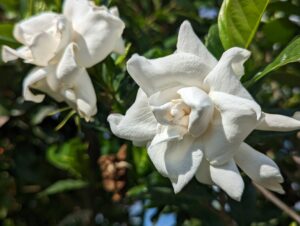
Embrace the exquisite fragrance and captivating beauty of the Miami Supreme Gardenia! Photo by Anna Stubbendick, Canterbury Farms

Get ready to indulge your senses in the fragrant world of gardenias! These beauties not only look stunning but also emit an enchanting aroma that will transport you to a floral paradise. If you’re a gardening enthusiast in sunny Florida, rejoice! Gardenias can thrive in our tropical climate and bring a touch of elegance to your garden. In this article, we’ll dive into the gardenia varieties carried by Canterbury Farms Nursery & Garden Center and unveil the secrets to growing these floral wonders. Let’s embark on a fun-filled gardenia adventure!

Varieties That Rock Our Stock:

Variety Growth Habit Mature Size Bloom Size Bloom Season Bloom Characteristics Hardiness Zones
Miami Supreme Upright 3-4 ft Large Spring Double, Fragrant 9-11
Vetchii Compact, dense 2-3 ft Medium Spring Double, Fragrant 9-11
Aimee Rounded 3-4 ft Large Spring Double, Fragrant 9-11
Buttons Compact, low 1-2 ft Small Spring Single, Fragrant 9-11
Radicans Spreading 1-2 ft Small Spring Single, Fragrant 9-11
Frostproof Upright 4-5 ft Medium Spring Single, Fragrant 8-11
August Beauty Upright 4-6 ft Large Spring-Fall Double, Fragrant 9-11
Belmont Upright 3-4 ft Medium Spring Double, Fragrant 9-11
Snow Girl Compact, low 1-2 ft Small Spring Single, Fragrant 9-11
Frostproof Gardenia

Frostproof Gardenias are fragrant marvels that endure the chill and delight the senses! Photo by Anna Stubbendick, Canterbury Farms

Groovy Gardenia Varieties:

  1. Miami Supreme: Stand tall! These beauties reach 3-4 feet high and boast large, double blooms with an intoxicating scent. Talk about making a grand entrance in your garden!
  2. Vetchii: Don’t be fooled by their compact size! These dense darlings, standing 2-3 feet tall, offer medium-sized, double blooms that emit a delightful fragrance. Perfect for cozy garden corners.
  3. Aimee: Picture perfect! With their rounded shape and large, double blooms, Aimee gardenias steal the spotlight at 3-4 feet tall. Pluck a few for indoor arrangements and let the compliments pour in!
  4. Buttons: Cute and compact, these low-growing gardenias (1-2 feet) show off small, single blooms that pack a fragrant punch. Ideal for rock gardens or adding a touch of charm to the front yard.
  5. Radicans: Let them roam wild! Radicans gardenias spread out gracefully, reaching 1-2 feet in height. Their small, single blooms with a captivating fragrance make them the trailblazers of your garden.
  6. Frostproof: Frost who? These upright performers reach 4-6 feet high, showcasing large, single blooms that smell divine. Be prepared to have neighbors lining up for a whiff!
  7. August Beauty: Get ready for a season-long affair! These tall and upright gardenias (4-6 feet) mesmerize with their large, double blooms that grace your garden from spring to fall. A true beauty indeed!
  8. Belmont: Aim high! Standing tall at 3-4 feet, Belmont gardenias flaunt medium-sized, double blooms that exude elegance. The perfect companions for high tea in your garden oasis.
  9. Snow Girl: Petite and lovely! These compact, low-growing gardenias (1-2 feet) charm with their small, single blooms and delightful fragrance. They’re like a snowflake, but better, because they don’t melt!

Let’s Have Some Bloomin’ Fun:

  • Find a spot with partial shade to protect your gardenias from the scorching afternoon sun. They like a little shade to strut their stuff.
  • Prepare the soil by mixing in some organic matter. Think of it as pampering the soil, giving it a spa treatment before your gardenias move in.
  • Water your gardenias regularly, especially during dry spells. They love a good drink, but don’t drown them—just keep the soil moist, not waterlogged.
  • Treat your gardenias to a feast with a slow-release fertilizer for acid-loving plants. Follow the instructions, because too much of a good thing can be overwhelming.
  • Time for a little snip-snip! After the blooming season, give your gardenias a gentle pruning to shape them up and remove any dead or damaged branches. They’ll appreciate the trim!
  • Keep an eye out for pesky pests like aphids, whiteflies, and scale insects. Show those critters who’s boss by promptly treating any infestations with organic or chemical solutions.
  • Jack Frost is no friend of gardenias. When winter chills arrive, cover your gardenias with a cozy frost cloth or bring potted ones indoors for a winter slumber.

Adding Vertical Elegance to Your Garden:

Oh, and let’s not forget about the majestic beauty of gardenia trees! If you’re looking to make a bold statement in your garden, consider planting a gardenia tree. These enchanting giants can reach heights of 10 to 15 feet, creating a stunning focal point with their lush foliage and abundant blooms.

Gardenia trees offer all the fragrance and elegance of their shrub counterparts but with a vertical twist. Their branches gracefully spread out, showcasing a plethora of exquisite blooms. Imagine strolling through your garden, surrounded by the sweet scent of gardenia blossoms as they dance in the breeze.

When it comes to choosing a gardenia tree, popular varieties like “Veitchii” and “Miami Supreme” make excellent options. Just like their shrub counterparts, these gardenia trees dazzle with their double blooms and intoxicating fragrance. Plant them in well-drained soil, provide them with partial shade, and watch them grow into showstoppers that will leave your neighbors in awe.

Remember, gardenia trees require similar care to gardenia shrubs, including regular watering, feeding, and protection from frost. Prune them lightly after blooming to maintain their shape and encourage new growth.

Let Your Senses Bloom and Your Garden Shine!

Congratulations, gardenia enthusiast! You’re now equipped with the knowledge and enthusiasm to grow these fragrant wonders. Whether you prefer the charm of gardenia shrubs or the grandeur of gardenia trees, these fragrant beauties will add a touch of magic to your garden. So, go ahead and unleash the splendor of gardenias in all their forms, and let their heavenly fragrance and captivating blooms fill your outdoor oasis with joy and wonder. Head over to Canterbury Farms Nursery & Garden Center, where the gardenia party never stops! Happy gardening, my scented friends!

Note: The information in the chart is for general guidance only and may vary based on specific growing conditions.  Not all varieties are available at all times, contact us to inquire about current stock.

The Perfect Container: How to Design “Plantastic” Pots
 

By: Anna Stubbendick, FCHP

Container gardening is a great way to bring life and color to your landscape. Whether you have a large yard or a small balcony, container gardening can be a satisfying and rewarding experience. To create a beautiful container garden that thrives in our area, consider the following factors when selecting a pot, location, soil, and plants.

Sample Planter Pot

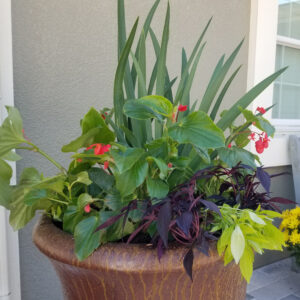
You can use the weight of ceramic planters to your advantage if you’re using a tall plant that might get a little top-heavy. This planter, designed for a sunny location uses Apostle Iris, Begonia, and two varieties of Sweet Potato Vine. Photo by Anna Stubbendick, Canterbury Farms

Choosing the Right Pot:

Selecting the right pot is crucial for the health and growth of your plants. The pot should be at least twice the size of your plant’s root ball. It’s also important to consider the material of the pot. In Central Florida’s hot and humid climate, choose pots made from materials that won’t retain too much heat, such as plastic or glazed ceramic. Avoid using unglazed terra cotta pots as they can dry out too quickly.  Plastic pots are also much lighter in weight, which can be an advantage if you are needing to move sensitive tropical plants indoors during the cooler months.

Choosing the Right Location:

When selecting a location for your container garden, aesthetic considerations are just as important as practical ones. Choose a spot that is visually appealing and matches the style of your home. Consider the color and texture of the pot, as well as the plants that you will be using.

Most plants require a minimum of six hours of direct sunlight per day. Choose a location that receives adequate sunlight, such as a south or west-facing window, balcony, or patio. If your space is limited, consider using hanging planters or window boxes to maximize sunlight exposure.  If your area is a shadier location, or inside a screened enclosure, there are many tropical plants that are also well-suited to areas with lower light levels.

Choosing the Right Soil:

High-quality potting mix is essential for the health of your plants. Choose a mix that contains peat moss, vermiculite, and perlite, which provide the necessary drainage and aeration your plants need. Avoid using soil from your yard, as it can contain pests, diseases, and weed seeds.

Two Different Container Styles

You can change the look of your planter just by using different plants. Here are two containers designed for different conditions, one for sun and one for shade. Photos by Anna Stubbendick, Canterbury Farms

Choosing the Right Plants:

When selecting plants for your container garden, consider using plants that are native to our area, such as firebush, coontie, and dwarf yaupon holly. These plants are well-suited to the warm and humid climate and can thrive in a container garden. Other plants that do well in zone 9b include tropical plants such as bromeliads, crotons, and palms.

To create a visually appealing container garden, use the “thriller, filler, spiller” approach when selecting plants. Choose one focal plant as the “thriller,” such as a tropical hibiscus or a bird of paradise. Surround it with several plants to fill in around it, such as pentas, coleus, or impatiens. Finally, add trailing plants to spill over the edge of the pot, such as creeping jenny or sweet potato vine.

How to Plant:

When planting in a container, start by filling the pot with potting mix, leaving enough space at the top for your plants. Gently remove your plants from their nursery containers and loosen the roots. Place the focal plant in the center of the pot and surround it with the filler plants. Finally, add the spiller plants around the edge of the pot, allowing them to drape over the side.  Once all of the plants are in place, you can backfill with additional potting mix to fill the planter.

When planting, be sure to consider the aesthetic elements of your container garden. Mix different textures and colors for a visually interesting display. Use tall plants to create a vertical element, and mix in different types of foliage for added interest.

Watering and Maintenance:

Proper watering is crucial for the health of your container garden in Central Florida’s warm and humid climate. Water your plants deeply and regularly, allowing the soil to dry out slightly between watering. Avoid getting water on the foliage, as this can lead to disease.  Keep in mind that container gardens will dry out faster than plants in the ground, so you may need to water every day during the drier seasons.

Fertilize your plants regularly with a balanced fertilizer, following the instructions on the label. Remove dead leaves and spent flowers to encourage new growth. Monitor your plants for signs of pests and disease, and take appropriate action if necessary, such as removing affected leaves or treating with an organic insecticide.

In addition to watering and maintenance, consider other ways to enhance the beauty of your container garden. Add decorative elements such as rocks, seashells, stakes, or statues to create a unique and personalized display. Use different heights and levels to add depth and dimension to your container garden.

Overall, container gardening can be a fun and rewarding hobby. By selecting the right pot, location, soil, and plants, and following proper planting and maintenance techniques, you can create a beautiful and thriving container garden. With a little bit of creativity and attention to detail, you can enjoy the beauty and benefits of gardening in even the smallest of spaces.