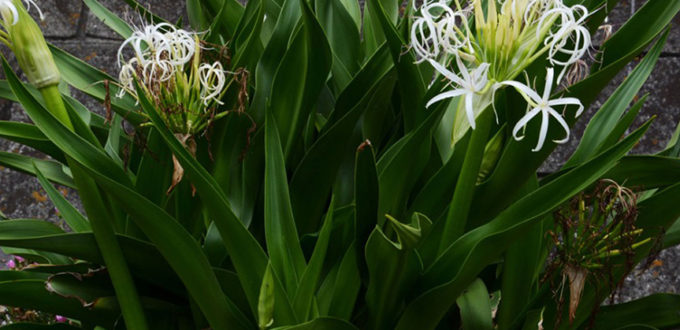
Cordyline

Common Name: Cordyline, Ti Plant, Good Luck Plant

Scientific Name: Cordyline spp.

Type of Plant: Tropical/Accent

Description: Cordylines have fabulous foliage for dramatic color and provide height and a look of the tropics to Florida gardens.

Mature Size: 6-8′ tall x 2-4′ wide

Blooms: yes, some varieties more noticeable than others

Fruit:  no

Climate Requirements: Bright shade works fine for all, though some can take more sun than others…morning sun, preferably. You often see ti plants doing fine in sunny areas, but they can become brown-edged and raggedy, so give yours afternoon shade. Plant in an area protected from wind so the foliage doesn’t become shredded and unattractive.

Care Requirements:  Trimming is totally unnecessary, other than pruning in late spring to early summer, if you like, to control height and/or encourage fuller growth. Fertilize twice a year (spring and fall) with a good quality granular fertilizer. Don’t over-fertilize these plants.

To encourage a fuller look at varying levels, prune during warm spring weather. To do this, cut off a cane at a lower height and it will usually sprout a new “head” or two from the sides of the cut. Rather than chopping off the heads of all the canes at once, cut the tallest one first. After it sprouts new growth, do the next tallest one. This way some foliage is visible while you’re pruning the plant. Plant each cutting back into the ground near the base of the original plant (or start it in a container) – most will root and grow. Remove most of the leaves to help the cutting get rooted.

Spacing: Space plants 24-36″ apart

Water Needs: These plants don’t like to stay wet, so give them regular irrigation with time to dry out a bit between waterings.

Maintenance: Low

Special Uses/Attributes: Landscape uses for cordylines 

  • backdrop
  • tall accent for entry or garden bed
  • architectural accent
  • semi-privacy plant by a window, deck, porch or patio
  • along a blank wall

Florida Native: No

Autograph Plant

Common Name: Autograph Tree, Pitch Apple, Balsam Apple, Copey

Scientific Name: Clusia rosea

Type of Plant: Shrub/Small Tree

Description: Clusia is a large genus of trees and shrubs native to the Caribbean characterized by their branches, which grow horizontally, and their leaves, which are thick and tough.  The autograph tree has stiff, dark green or olive-colored leathery leaves that grow to about 8 inches long. The leaves are tough enough that they can be carved into, hence the common name “autograph tree.” It has long flower heads with pink or white flowers that bloom in the summer, followed by small green fruits that ripen to black and eventually split open to reveal bright red seeds. The seeds are very attractive to birds and other fauna. The autograph tree is commonly grown as an indoor plant.

Mature Size: 8-10′ tall x 8-10′ wide (can reach 25′ tall as a tree)

Blooms: White or Pink, Summer

Fruit:  yes, inedible (toxic to humans and pets)

Climate Requirements: Full sun is best, but this plant can tolerate partial shade as well.  This plant can be kept outside only in tropical areas, as will not tolerate temperatures below 50 degrees Fahrenheit.

Care Requirements: Fertilize three times per year in the spring, summer, and fall.  You can do just one hard pruning in spring (late March or early April) and let it do its thing from there; with branch trimming only, never cut across foliage.

Spacing: Space plants 24-36″ apart

Water Needs: Average; the autograph tree should be watered regularly for the first year or so until the plant is fully established. You can scale back its water after that, although regular watering will help it grow more fully. This species is fairly drought-tolerant, but you should never let the soil get completely dry.  

Maintenance: Low

Attracts: Birds during fruiting season

Special Uses/Attributes: The plant makes an excellent hedge because of its dense growth habit and its minimal maintenance needs. Alternatively, if you grow it tall as a tree, you can underplant things close to its base. The autograph tree is salt-tolerant and can be grown in exposed positions near the ocean.

Florida Native: No