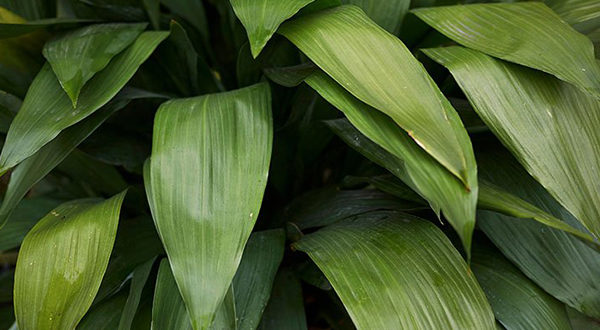
Oleander

oleander-220 oleander-white-220

Scientific Name:     Nerium Oleander
Type of Plant:     Shrub
Description: Evergreen shrub that grows erect stems with narrow, elongated dark green leaves and
blooms beautiful clustered flowers (either pink, red or white) in spring and summer.
Height:     6″-20″
Blooming:     Yes. Large pink, white or calypso red flowers
Fruit: No
Climate Requirements: Thrives in sunny, warm subtropical weather conditions. It is drought tolerant and poor soil tolerant. It can also withstand occasional cooler weather conditions.
Care Requirements: Oleander is a relatively low maintenance plant as little pruning (2-3x a year depending on the size you desire.) is required. Fertilize 2-3x a year.
Special Needs:     None
Special Uses/Attributes: It is a very widely used ornamental hedge plant in landscapes, parks, medians and roadsides.
Florida Native:     No
FYI: Its colorful blooms attract the human eye, but detract deer as the oleander is toxic
to both deer and humans. So, if you are looking for a colorful hedge or accent piece that the deer won’t munch on, the oleander may suit you perfectly. However, beware with the oleander around children.

Lantana

gold-lantana220Scientific Name:     Lantana Camara
Type of Plant:     Shrub/Perrenial
Description:     Broadleaf evergreen, spreading shrub known for their round clusters of small, bright-colored flowers. We grow Yellow, Purple, White and Confetti variety
Height:     2-6’
Width:     8’
Blooming:     Yellow, orange, white, red, purple and often mixed colors within the same cluster.
Fruit:   Berries
Climate Requirements:     Drought and heat tolerant once established. Likes full sun and can tolerate poor soils.
Care Requirements:     Very low maintenance, may require pruning to maintain desired shape.
Special Needs:     None
Special Uses/Attributes:     Fast growing, easy, colorful ground cover. Great in xeriscaping designs too. Tolerates salt well, which makes it a good choice for seaside gardens.
Florida Native:     Not indigenous to Florida, but have become naturalized here.
FYI:     Great for butterfly gardens as they attract butterflies and hummingbirds also. Toxic when ingested.