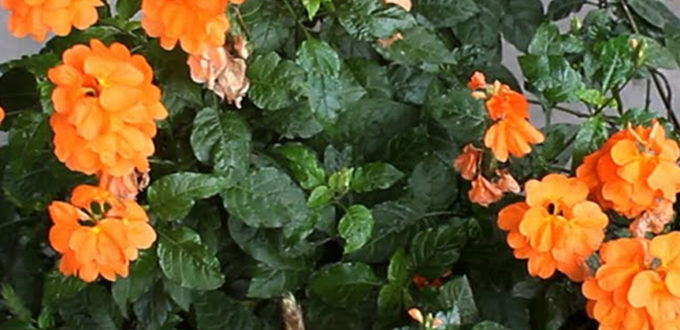
Bulbine

Common Name: Bulbine

Scientific Name: Bulbine frutescens

Type of Plant: Perennial

Description:This South African native is a perfect perennial for Florida since it tolerates hot temperatures, dry and sandy soils, and blooms throughout the warm months.

Mature Size: 6-12′ tall x 6-12′ wide.

Blooms: Summer-Fall

Fruit:  No

Climate Requirements: Bulbine will grow best if it is planted in a spot that receives full sun, though it can be grown in a site that gets shade for part of the day.  Provide well-drained, compost-enriched soil. 

Care Requirements: Propagation is easy since plants can be divided when the clumps get big enough, and the plants will self-seed.

Spacing: Space plants 12-24″ apart

Water Needs: Water regularly in first growing season to establish root system; once established, reduce frequency.

Maintenance:  Remove spent flowers to encourage fall re-bloom. Remove old, faded foliage as needed.

Attracts: Butterflies

Special Uses/Attributes: Bulbine makes a great ground cover since each plant will grow over time to form a clump that can reach up to four feet wide. This clumping habit also makes bulbine a great passalong plant.  It is generally considered to be deer-resistant.

Florida Native: No

Butterfly Bush

Common Name: Butterfly Bush

Scientific Name: Buddleia davidii

Type of Plant: Shrub

Description: The butterfly bush is a beautiful, fast-growing shrub with masses of blossoms—long, spiked trusses—that bloom from summer to autumn.  Its flowers come in many colors, though butterflies seem to prefer the lavender-pink (mauve) of the species to the white and dark purple cultivars.

Mature Size: 6-12′ tall x 6-12′ wide.

Blooms: Summer-Fall

Fruit:  No

Climate Requirements: Butterfly Bush prefers full sun or light shade.  Alkaline soil appears to support adequate growth in many instances. 

Care Requirements: Many cultivars are highly prone to rust and mites. It’s also highly susceptible to nematodes.

Spacing: Space plants 24-48″ apart

Water Needs: Average

Maintenance: Remove spent flower spikes to encourage new shoots and flower buds. In addition, it is important to deadhead the flowers just as they start to wither so that this invasive plant doesn’t spread volunteer seeds.  Since they bloom on new wood, even if there is no die-back, cut them back to the ground every spring. Yes, hack to the ground!

Attracts: Bees, Butterflies, Hummingbirds

Special Uses/Attributes: Despite the “butterfly” name, keep in mind that this shrub is not a “host plant” for butterflies in that it does not support butterfly reproduction and lifecycle. Caterpillars do not feed on butterfly bushes; rather, it only provides nectar to adult butterflies. If you do have a butterfly bush, be sure to add native host plants such as milkweed and dill if you want the butterflies to stay.  Butterfly bushes are generally considered deer-resistant.

Florida Native: No